Hikes through the vineyards near Villa Bordoni

Walks and hikes through the vineyards around Villa Bordoni

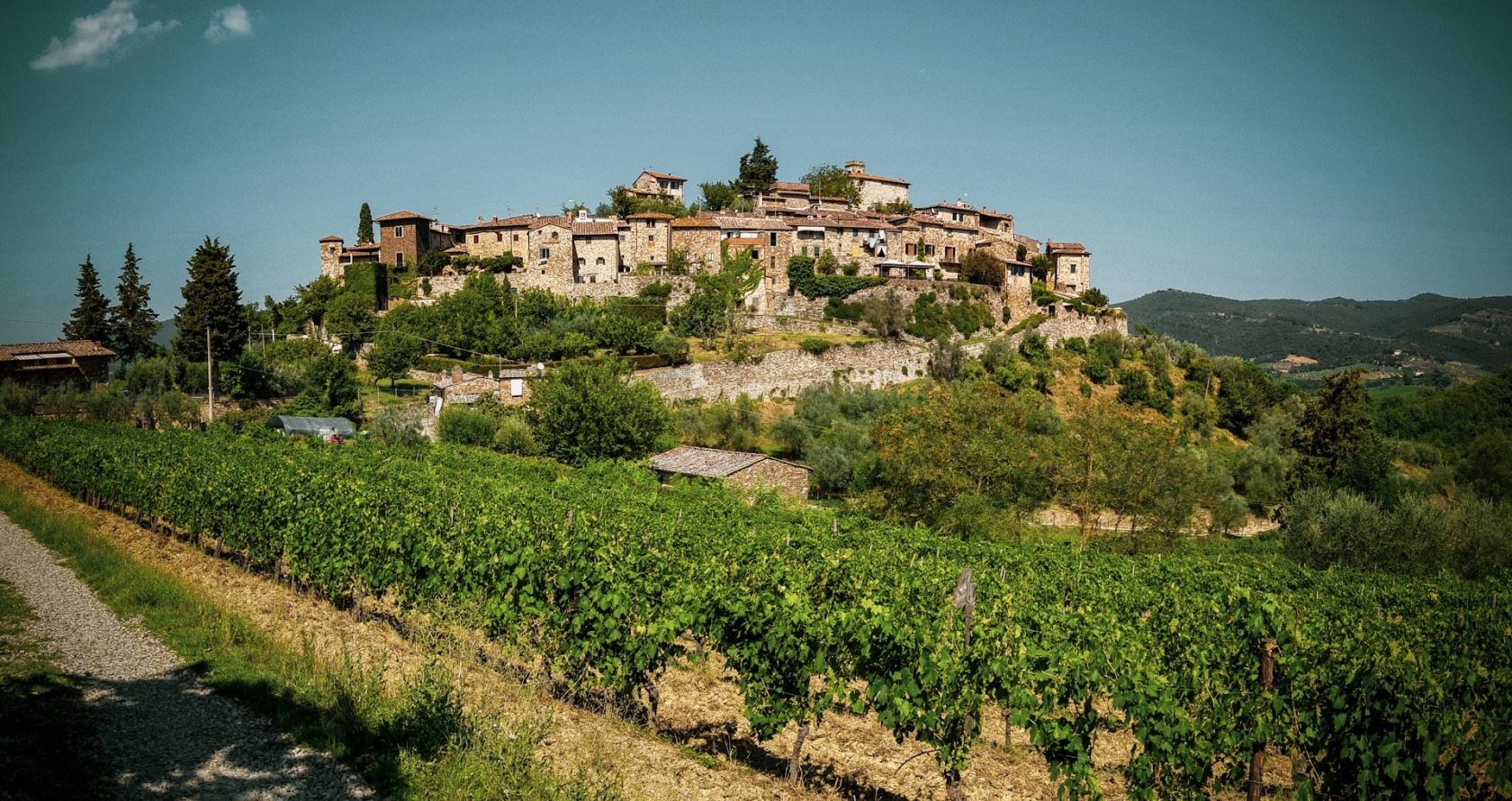
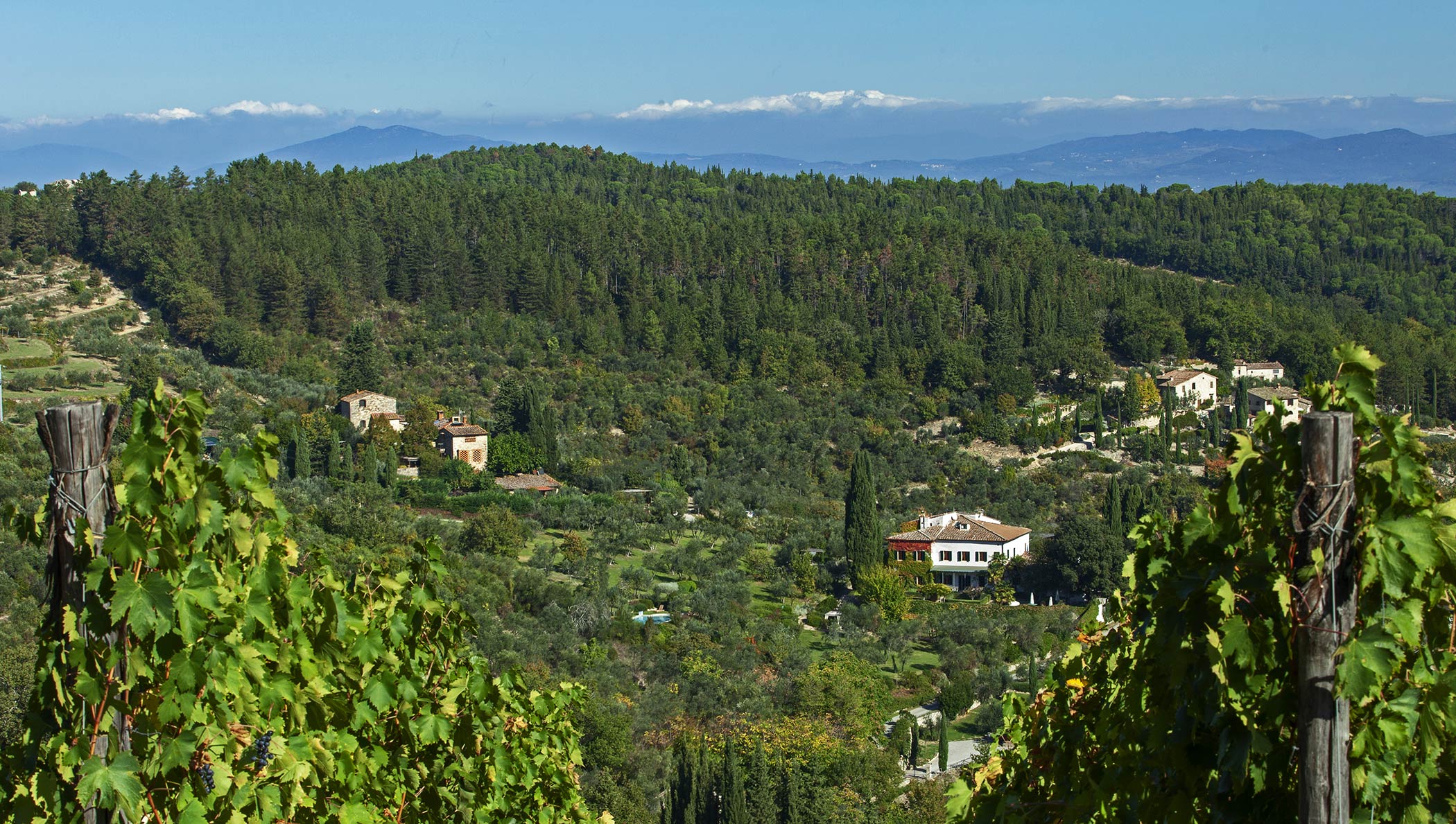
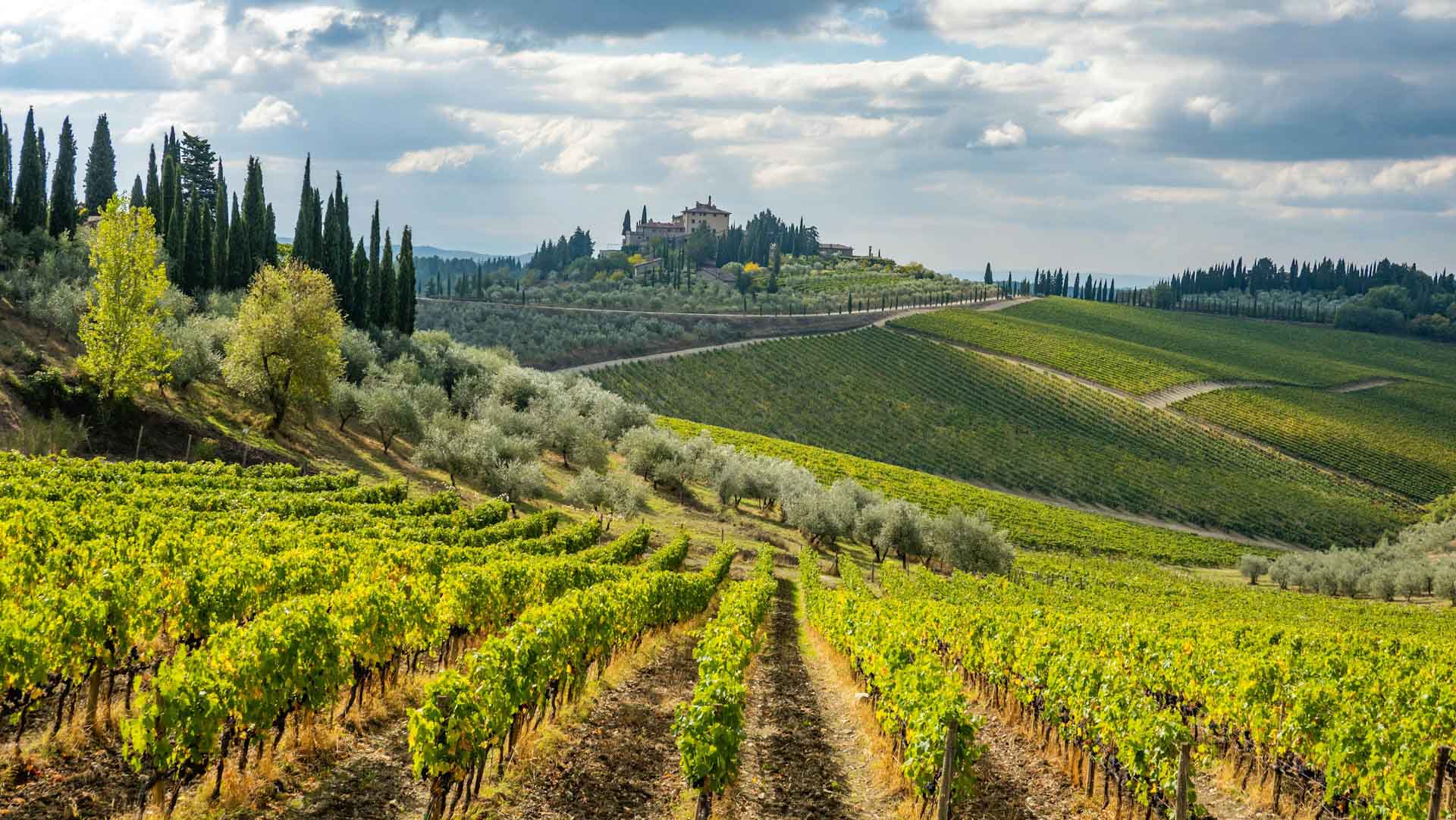
One of the most authentic ways to experience Chianti is simply to walk through it. Trails, dirt roads, and mule trails wind their way around Villa Bordoni, passing through vineyards, olive groves, and oak forests, offering views that tell the story of the area better than any guidebook. Whether you’re an experienced hiker or just looking for a relaxing stroll before dinner, here are a few ideas for exploring the countryside on foot right from the villa.

Short walks around the villa

Those looking for a leisurely walk can simply set off along the dirt roads surrounding Villa Bordoni. These trails are suitable for everyone, including families with children, and offer the chance to admire the rows of grapevines interspersed with the centuries-old olive trees that are characteristic of the Tuscan landscape.

The best time for these short walks is in the late afternoon, when the golden light of sunset illuminates the hills and the temperatures become more pleasant, especially during the summer months.

Day Trips to Greve in Chianti

For those who want to take on a longer hike, you can head toward Greve in Chianti, following trails and back roads that pass through several wineries. This is a hike lasting a few hours, offering a mix of sections through the woods and long scenic stretches through the vineyards, with the village visible in the distance, surrounded by hills.

This route is ideal for those who want to combine physical activity with scenic views, perhaps stopping along the way to take photos at the most picturesque vantage points.

The Trails of the Conca d’Oro

In the area between Greve and Panzano lies the famous Conca d’Oro, a natural amphitheater of vineyards considered one of the most beautiful landscapes in all of Chianti. Several hiking trails wind through this area, offering spectacular views of the valley. It’s a more challenging route, suitable for those who are already in reasonably good shape, but the view more than makes up for the effort.

Walks through olive groves and woods

In addition to the vineyards, the area around Villa Bordoni is dotted with olive groves and small groves of oak and cypress trees, which offer more shaded paths—perfect for the hottest hours of the day. They’re also ideal for those looking for a more peaceful experience—perhaps with the chance to encounter local wildlife or simply enjoy the quiet of the Tuscan countryside.

Practical Tips

  • The best time for hiking in Chianti is from April through June and from September through October, when temperatures are milder than during the summer months.
  • We recommend wearing hiking shoes suitable for dirt trails and always carrying enough water with you, especially on longer trails that are exposed to the sun.
  • Many trails pass through private farmland: it is good practice to stay on the marked trails and follow the signs along the way.
  • For those who prefer a more structured guide, you can ask at the villa for information on recommended routes and maps of the trails in the area.

Whether it’s a short evening stroll or a hike lasting a few hours, exploring Chianti on foot remains one of the most authentic ways to truly discover this region, one step at a time.
Inside Il Guardingo

The Kitchen Behind Villa Bordoni

There is a particular kind of quiet that settles over Il Guardingo before service begins. The wood oven — the same one once used in the villa’s original kitchen — is already warm. Copper pots catch the last light through windows that look out over olive groves and the medieval rooftops of Greve in Chianti. And somewhere between the stone fireplace and the pass, the evening’s menu is taking its final shape.

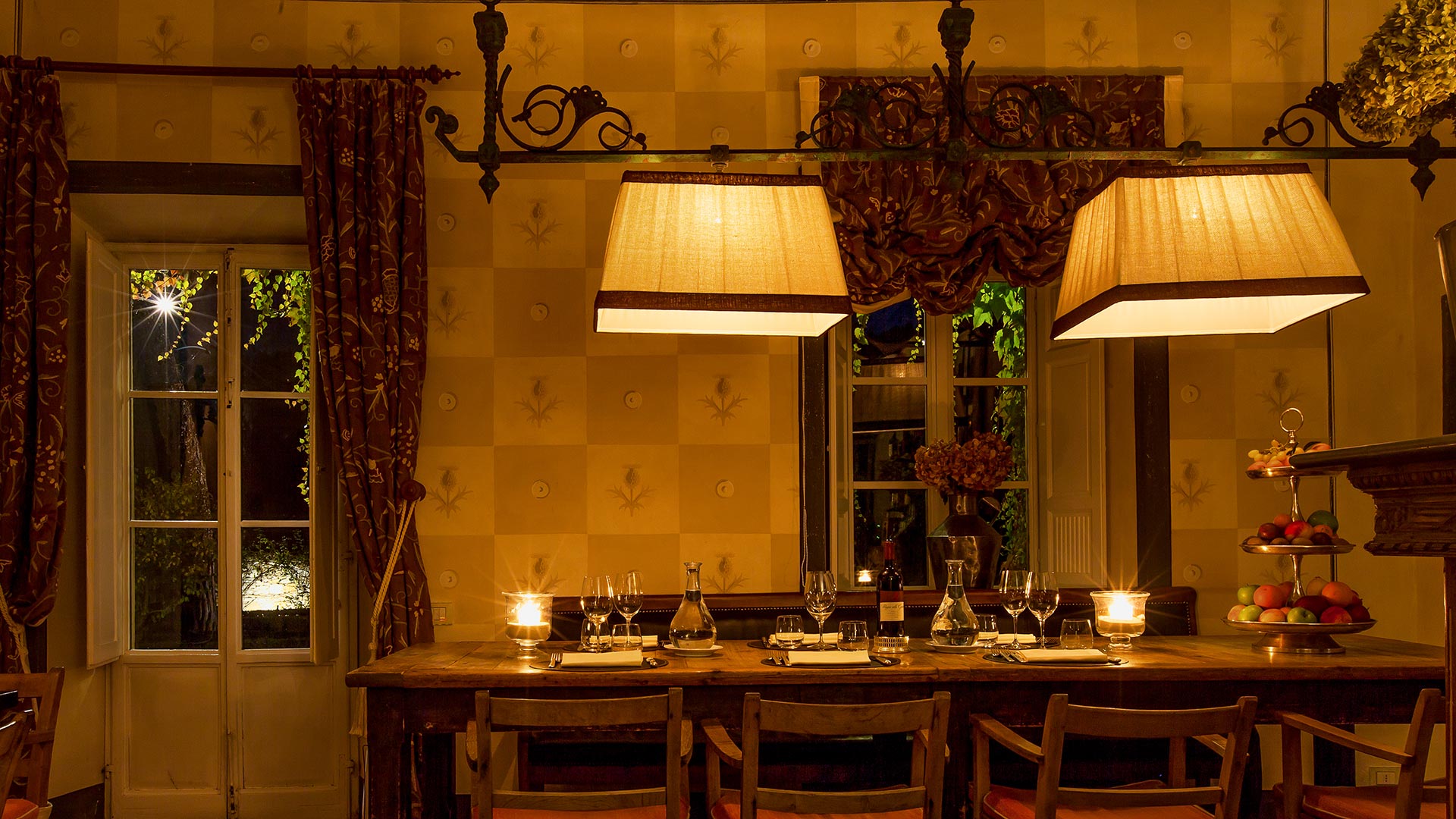
Il Guardingo sits on the hill directly above Greve, inside the historic core of Villa Bordoni. The dining room has kept what the villa always had: aged wood-beamed ceilings, a stone hearth, terracotta floors worn smooth by centuries of use. In warmer months, tables move outside, where guests dine under the stars among palms and maritime pines, with vineyards and ancient olive groves stretching toward the villages on the ridgeline beyond. It is not a stage set built to look historic — it is the real kitchen of a villa that has been feeding people on this hill since the eighteenth century, when Giuseppe Bordoni first began bottling the estate’s own Chianti Classico under the name Mezzuola, back in 1782.

That inheritance shapes everything that comes out of the kitchen today. The philosophy at Il Guardingo is unfussy by design: Tuscan cooking built on what the season and the surrounding countryside actually provide, treated with enough restraint that the ingredient — not the technique — stays the center of attention. It shows in small dishes as much as large ones: a poached egg finished simply with shaved truffle, local sheep’s and goat’s cheeses served with little more than good honey and a warm crostino, tagliolini tossed with porcini when they’re in season rather than whenever the calendar says they should be.

The dish that says it best

If one plate captures what the kitchen is doing, it is the peposo di bue — a Tuscan classic long before it was a restaurant menu item. The story goes that peposo was born not in a professional kitchen at all, but among the fornaciai, the kiln workers of Impruneta who fired the terracotta and roof tiles used across the region, including — as legend has it — the tiles of Brunelleschi’s dome in Florence. Between shifts tending the kilns, the workers would set a pot of tough beef cuts, plenty of black pepper, and local red wine to simmer slowly at the fire’s edge, letting the heat that fired the clay also do the cooking. Hours later, what emerged was something far more than the sum of its humble parts.

At Il Guardingo, the dish is treated with that same patience: beef braised low and slow with juniper, bay leaf, and the estate’s own Chianti, until the meat gives way at the touch of a fork and the sauce has reduced into something dark, peppery, and deeply savory. It is, in a sense, the most honest dish on the menu — no rare ingredient, no elaborate plating, just time, good wine, and a cut of beef that has nowhere to hide. Paired with a glass of the villa’s own Chianti Classico, it draws a fairly direct line between what is in the glass and what is on the plate, both grown and made on the same hillside.

It sits comfortably alongside the kitchen’s other reference points: potato tortelli finished in a Chianina beef ragù, a proper bistecca alla Fiorentina cooked over the fire for two, cantucci and Vin Santo to close the meal the way the region has closed meals for generations. None of it strains for novelty. All of it assumes that a place with an eighteenth-century wine cellar and its own olive groves doesn’t need to look very far for its next good idea.

More than a dinner reservation

For guests who want to go further than the dining room, Villa Bordoni’s Chianti Cooking School turns some of this same philosophy into a hands-on afternoon — a market visit, a few classic recipes, and a seat at the table for the results. It is, in many ways, the same story told from the other side of the stove: that the best Tuscan cooking rarely needs reinventing, only the right hands, the right hour, and ingredients that didn’t have to travel far to get there.

Reserve a table, or ask at the front desk about upcoming cooking school dates, to taste it for yourself.

Guide to Historic Wineries

A Guide to Chianti’s Historic Wineries to Visit During Your Stay

Chianti isn’t just about the scenery: it’s one of the world’s most important wine-growing regions, with wineries that embody centuries of Tuscan winemaking history. When you stay at Villa Bordoni, you’re in the perfect spot to explore some of the area’s most fascinating estates, where rural tradition, historic architecture, and, of course, great wines come together. Here’s a guide to the wineries worth visiting.

Borgo Castelvecchi

Just a few minutes from Villa Bordoni lies Borgo Castelvecchi, one of the most charming places in the area. The village, with its historic winery, combines wine production with the authentic atmosphere of a Tuscan village, with vineyards stretching all around the historic buildings.

Here, you can take part in guided Chianti Classico tastings and get an up-close look at the winemaking process, as well as visit the ancient cellar carved into the rock, which was once used for aging wine. It’s a perfect stop for anyone who wants to enjoy an authentic wine experience without straying too far from the villa.

Verrazzano Castle

Located in the heart of Greve in Chianti, Castello di Verrazzano is one of the best-known names in the area, linked to the family of the explorer Giovanni da Verrazzano. The estate has been producing wine for centuries and offers tours that include the vineyards, the historic cellars, and an area dedicated to the curing of locally produced cured meats.

The tastings here often pair wine, olive oil, and traditional Tuscan products, offering a complete experience of the region’s flavors.

Ama Castle

In the Gaiole in Chianti area lies Castello di Ama, an estate that combines winemaking with contemporary art: the village is dotted with installations by international artists, creating a journey that blends culture and wine tasting. It’s an ideal choice for those looking for an experience different from the usual winery tour.

Antinori in Chianti Classico

A short distance away, toward San Casciano Val di Pesa, stands the Antinori winery in the Chianti Classico region, a striking architectural project designed by star architect Marco Casamonti. The structure, largely underground and integrated into the hilly landscape, features a modern visitor experience that includes a panoramic restaurant and spacious areas dedicated to wine tasting. It’s a recommended stop for anyone passionate about contemporary architecture as well as wine.

Brolio Castle

The Brolio Castle, historically linked to the Ricasoli family—considered one of Italy’s oldest wine producers—is also located in the Gaiole in Chianti area. The castle, with its panoramic garden and medieval walls, offers one of the most beautiful views of the entire Chianti valley, as well as a wine-tasting tour that traces centuries of winemaking history.

Practical Tips for Visits

Many wineries require advance reservations for tastings, especially during the high season (April through October). Some estates, such as Borgo Castelvecchi, are located just a few minutes from Villa Bordoni and are ideal for a visit even in the late afternoon, allowing you to return to the villa in time for dinner.

For those who want to organize a full-fledged wine tour, it’s possible to plan two or three visits in a single day, alternating between large wineries and smaller, family-run estates, to get a complete picture of the variety of wines produced in the Chianti Classico region.

Guests staying at Villa Bordoni can also request personalized recommendations and assistance with booking wine tastings at partner wineries in the area.

Two Days in the Heart of Chianti

An Itinerary Through Villages, Vineyards and Postcard Landscapes

If you’re looking for an authentic way to discover Chianti, there’s no better base than Villa Bordoni. Nestled in the Tuscan countryside between Florence and Siena, the villa is the perfect starting point for exploring the area’s historic villages each morning and returning in the evening to unwind among the hills. Here’s a two-day itinerary designed for guests staying with us who want to experience the real Chianti.

Day 1: Greve in Chianti and Panzano

Morning

From Villa Bordoni, it’s about a twenty-minute drive to Greve in Chianti, one of the liveliest towns in the area. The heart of the town is Piazza Matteotti, a funnel-shaped square surrounded by porticoes and historic shops. It’s worth stopping at one of the local butchers or wine bars for a first taste of Tuscan cured meats and Chianti Classico.

Don’t miss the Church of Santa Croce, home to religious artworks, and a stroll through the side streets lined with small craft shops and local products.

Lunch

Greve has several trattorias serving traditional Tuscan cuisine: pappa al pomodoro, ribollita and, of course, bistecca alla fiorentina, paired with a good glass of local wine.

Afternoon

In the early afternoon, head to Panzano in Chianti, just ten minutes from Greve. Panzano is famous worldwide for the Cecchini butcher shop, but it’s worth visiting for the view alone: the village sits on a hilltop overlooking the Conca d’Oro, one of the most striking vistas in all of Chianti.

From here you can continue with a short walk among the surrounding vineyards, perhaps stopping at one of the local wineries for a guided tasting.

Evening

Return to Villa Bordoni for dinner, perhaps choosing one of the wine and food experiences organized directly at the villa, to end the day without getting back in the car.

Day 2: Radda in Chianti and Castellina in Chianti

Morning

The second day is dedicated to two of the most authentic villages in Chianti Classico. Head towards Radda in Chianti, about forty-five minutes from Villa Bordoni. Radda has kept its medieval layout intact, with the historic center gathered around the Palazzo del Podestà, recognizable by the stone and ceramic coats of arms of the families who governed it over the centuries.

Walking along the patrol path that runs around the village offers a magnificent view over the surrounding hills and vineyards.

Lunch

Radda has excellent wine bars serving food, perfect for a light lunch paired with a glass of Chianti Classico Gallo Nero, the symbol of the consortium that protects these wines.

Afternoon

In the afternoon, head to Castellina in Chianti, another fortified village that preserves a fascinating underground Etruscan passage, the Via delle Volte, once used for safe movement during sieges. It’s also worth climbing up to the fourteenth-century fortress for another panoramic view over the Tuscan countryside.

Those with time can stop at one of the historic wineries along the way back for one last tasting before returning to Villa Bordoni.

Evening

A final dinner at the villa, perhaps with a closing toast over a good glass of Chianti, to celebrate these two days among the most beautiful villages in Tuscany.

Practical Tips

The roads between the villages pass through some of the most photographed landscapes in Chianti: it’s worth bringing a camera and taking your time with a few stops along the way.

The villages on this itinerary are all between twenty and fifty minutes by car from Villa Bordoni, making it easy to visit them comfortably in a day and always return to the villa for the night.

We recommend booking in advance for tastings at the most well-known wineries, especially during peak season and the harvest period, between September and October.